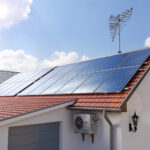
Power outages, rising electricity tariffs and the need for reliable energy are common challenges across the continent. Adding a battery to a solar installation can turn intermittent sunshine into a steady, controllable power source. This guide helps you decide whether a solar battery storage Africa solution is right for your project, whether you operate a manufacturing plant in Kenya or a remote off‑grid site in Tanzania.

Understanding When Battery Storage Makes Sense
Why grid reliability, peak demand and energy costs matter
Many African grids experience frequent voltage fluctuations and scheduled brownouts. When the grid is unreliable, a battery can provide immediate backup and reduce reliance on expensive diesel generators. In addition, storing excess solar during low‑cost periods and discharging during peak demand can lower your utility bill.
Typical use cases: backup power, peak shaving, off‑grid independence
Industrial facilities often need uninterrupted power for critical machinery. A hybrid solar system with battery backup can keep production running during an outage. Remote mines or telecom towers benefit from off‑grid solar paired with lithium battery solar packs for continuous operation without diesel fuel.
How to Evaluate If a Battery Is Required for Backup Power
Assess outage frequency and critical load requirements
Start by tracking how often the grid fails and how long each interruption lasts. Identify the loads that cannot tolerate downtime—such as CNC machines, refrigeration or data centers. If those loads represent a significant portion of your energy consumption, a battery backup becomes a strategic investment.

Determine acceptable downtime and resilience targets
Define a resilience target, for example 30 minutes of full load or 2 hours at reduced load. This target will drive the size of the battery bank and the depth of discharge you can safely use.
Hybrid Solar Systems vs. Standalone PV Panels
Benefits of hybrid systems with integrated battery storage
Hybrid systems combine photovoltaic panels, an inverter and a battery management system. They allow you to store energy, provide grid‑support services and participate in demand‑response programs where available. For businesses looking to future‑proof their energy strategy, a hybrid approach offers flexibility.
When a pure PV system may be sufficient
If your location has a stable grid, low electricity rates and you only need to offset daytime consumption, a standard PV array without storage can be cost‑effective. In such cases, consider adding a battery later as your load profile evolves.
Calculating Cost and ROI of Solar Battery Storage in Africa

Capital expenditure versus operating savings analysis
Battery costs have fallen dramatically, but the upfront investment remains significant. Compare the total installed cost—including batteries, inverters and controls—to the expected savings from reduced diesel fuel, lower grid charges and avoided downtime.
Payback period methodology for projects in Kenya and the region
Use a simple cash‑flow model: initial CAPEX, annual operating savings, maintenance costs and any available incentives. In Kenya, projects that avoid diesel backup often achieve payback within 5‑7 years, depending on fuel price volatility.
Sizing the Right Lithium Battery for Off‑Grid or Grid‑Tied Projects
Load profiling, depth of discharge and autonomy calculations
Gather hourly load data for at least a month. Multiply the average daily consumption by the desired days of autonomy and adjust for the recommended depth of discharge (typically 80 % for lithium). This yields the required kilowatt‑hour capacity.
Planning for future expansion and modular battery designs
Choose a modular system that lets you add modules as demand grows. This approach spreads cost over time and avoids over‑engineering the initial installation.

Maintenance, Safety and Warranty Considerations
Routine monitoring, spare parts inventory and service contracts
Modern battery management systems provide real‑time performance data via cloud dashboards. Establish a maintenance schedule, keep spare fuses and connectors on hand, and consider a service contract with a local provider.
Safety standards, fire protection and compliance certifications
Ensure batteries meet IEC 62619 or UL 9540 standards and are installed with proper ventilation and fire‑suppression measures. Compliance with local regulations is essential for insurance and grid interconnection.
Regulatory and Compliance Factors in Kenya and Beyond
National grid interconnection rules and permitting processes
Kenya Power requires a grid‑connection application, a technical feasibility study and adherence to the Kenya Energy Act. Early engagement with the utility can streamline approvals.
Import duties, certifications and local content requirements
Imported battery modules may be subject to customs duties, but many manufacturers now have local assembly partners that qualify for reduced rates. Verify that the product carries CE or ISO certifications recognized by Kenyan authorities.
For a deeper dive into industrial engineering solutions, explore our industrial engineering services. Our EPC experience across Africa includes numerous solar battery projects. You can also browse our solar articles and buyer guides for more technical details, read the Solar in Kenya guide, or check the latest Solar panel cost in Kenya guide. Ready to discuss your own project? Contact Spenomatic Group today.