If you are considering solar power for your home or your company, the first question is often “how solar panels work?” Understanding the basic flow of energy helps you choose the right system, avoid costly mistakes, and maximise the return on investment.

Why This Topic Matters in Kenya and Africa
Electricity prices are rising, and many regions still experience unreliable supply. Solar energy offers a locally generated, clean alternative that can reduce dependence on the grid and support national goals for renewable energy.
Where Solar Power buyers typically lose money or uptime
Most losses come from undersized arrays, mismatched inverters, or poor battery management. Without proper sizing, a system may produce less energy than expected, leading to higher bills or frequent downtime.
How Spenomatic Group experience connects to the topic
With years of EPC experience across Africa, Spenomatic Group knows the local climate, grid regulations, and financing options that affect performance. Our teams design, install and maintain systems that meet both residential and commercial needs.

Plain‑language explanation of PV modules, inverters, batteries and grid interaction
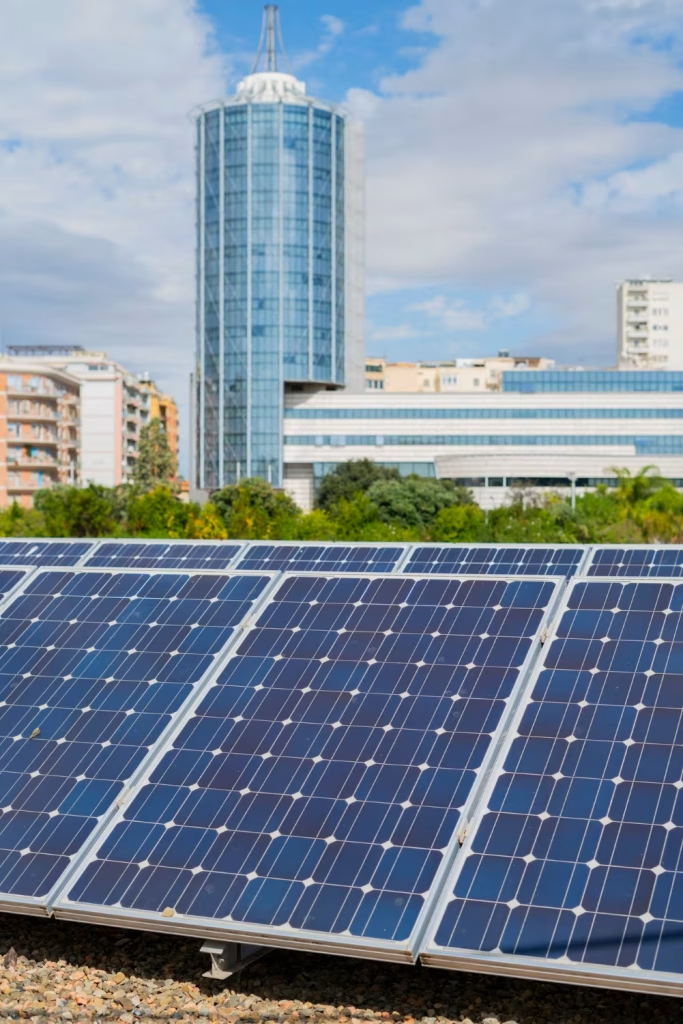
Solar panels, or photovoltaic (PV) modules, convert sunlight into direct current (DC) electricity. An inverter then transforms that DC into alternating current (AC) that can run lights, appliances, or machinery. If the system includes batteries, excess energy is stored for use at night or during outages. When the array produces more power than the site consumes, the surplus can be fed back to the grid through net metering in Kenya, earning credits on your utility bill.
What to measure before selecting equipment or services
Key metrics include average daily solar irradiance, roof or site orientation, shading analysis, and expected load profile. Knowing your peak demand helps size the inverter correctly, while a clear view of the sun determines the number of panels needed.
When a simple fix is enough and when a full EPC or technical audit is needed
Minor issues such as a loose connector or a degraded battery can be resolved with a quick service call. However, for larger installations or when expanding an existing system, a comprehensive EPC audit ensures that the design, permitting, and interconnection meet local codes and optimise performance.

Cost, ROI and Operating Considerations
Capital cost versus operating cost
The upfront investment includes panels, inverter, mounting structure, wiring and optional storage. Operating costs are mainly maintenance, monitoring fees and occasional part replacements. Over a 25‑year lifespan, the majority of savings come from reduced electricity purchases.
Maintenance, consumables, spares and monitoring
Regular cleaning, inverter firmware updates and battery health checks keep the system efficient. Remote monitoring platforms alert you to performance drops, allowing proactive service. Spares such as fuses and connectors are inexpensive compared with the total system cost.

Payback, risk reduction and lifecycle value
In Kenya, a well‑designed residential system typically pays back in 4‑6 years, while commercial installations can achieve payback in 3‑5 years thanks to higher usage and net‑metering credits. The long‑term value includes energy price hedging and reduced carbon footprint.
Common Mistakes to Avoid
Buying on price without sizing data or test results
Cheapest panels may have lower efficiency or poor warranty support. Always request a performance guarantee and a detailed sizing report.

Ignoring maintenance, warranties, safety and training
Neglecting regular inspections can void warranties and create safety hazards. Choose suppliers that provide comprehensive service contracts and staff training.
Treating utilities, energy, water and process equipment as separate problems
Integrated design that considers all energy loads—electricity, water pumping, and process machinery—delivers higher overall efficiency. Spenomatic’s industrial engineering solutions take a holistic view.
How to Choose the Right Spenomatic Solution
Questions to ask during an audit or consultation
Ask about the proposed system’s sizing methodology, inverter brand, battery chemistry, warranty terms, and expected ROI. Inquire how the design complies with local regulations and whether the provider offers ongoing monitoring and support.
Ready to see how solar can work for you? Contact Spenomatic Group for a free feasibility study and discover the most cost‑effective solution for your home or business.